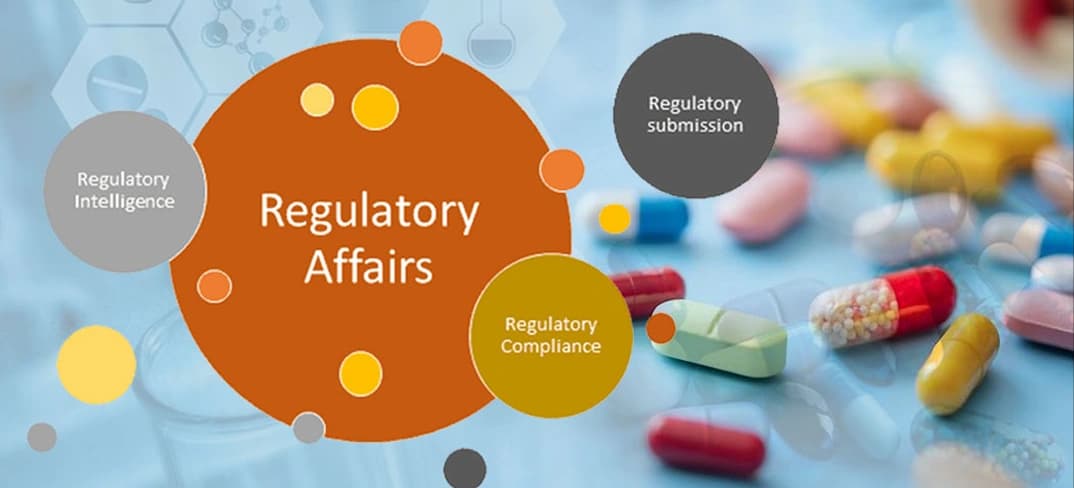
Regulatory Affairs (RA) is a critical function that ensures pharmaceuticals, medical devices, and combination products reach patients safely, effectively, and in full compliance with global regulations. As regulatory frameworks continue to evolve across regions, organisations must adopt proactive and strategic regulatory approaches to successfully manage product development and lifecycle activities.
In 2025, Regulatory Affairs is no longer a supporting function—it is a strategic enabler of innovation, market access, and patient safety.
What Is Regulatory Affairs?
Regulatory Affairs is the discipline responsible for interpreting, implementing, and maintaining compliance with regulatory requirements throughout a product’s lifecycle—from early development and clinical investigations to market authorisation and post-market obligations.
RA professionals act as the key interface between regulatory authorities and industry, ensuring that scientific, clinical, and technical data are accurate, complete, and aligned with regional regulatory expectations.
Core Functions of Regulatory Affairs
A strong regulatory framework encompasses both pharmaceutical and medical device regulatory responsibilities, including:
-
1. Regulatory Strategy & Planning
Early regulatory strategy is essential to:
- Identify optimal approval pathways
- Reduce development delays and compliance risks
- Align clinical, quality, and safety activities
This applies equally to drug development programs and medical device classification and conformity assessment strategies.
-
2. Clinical Trial & Clinical Investigation Regulatory Support
Regulatory Affairs supports:
- Clinical Trial Applications (CTAs) and IND submissions
- Ethics Committee and regulatory approvals
- Protocol amendments and safety reporting
- Medical device clinical investigations and PMCF activities
Effective regulatory oversight ensures compliance throughout the study lifecycle.
-
3. Dossier Preparation & Regulatory Submissions
High-quality regulatory submissions are critical for successful approvals. These include:
Pharmaceuticals:- CTD / eCTD submissions
- Variations, renewals, and post-approval changes
- Technical Documentation (EU MDR)
- Summary of Safety and Clinical Performance (SSCP)
- Clinical Evaluation Reports (CERs)
- STED Documentation
- Declarations of Conformity
Accuracy, consistency, and alignment with regulatory guidance are essential to avoid delays or rejections.
-
4. Post-Approval & Post-Market Lifecycle Management
Once products are approved, ongoing regulatory oversight is required:
Pharmaceuticals:- Variations and renewals
- Labelling updates
- Safety-driven regulatory actions
- Post-Market Surveillance (PMS) plans and reports
- Periodic Safety Update Reports (PSURs)
- Vigilance and Field Safety Corrective Actions (FSCA)
- PMCF activities and trend reporting
Regulatory Affairs works closely with Pharmacovigilance and Quality teams to ensure compliance and patient safety.
-
5. Regulatory Intelligence & Compliance
Staying current with evolving regulations is critical, including:
- EU MDR & IVDR
- FDA (21 CFR 820, MDR reporting)
- TGA medical device and medicine requirements
- ICH and ISO standards (ISO 13485, ISO 14971)
Continuous regulatory intelligence allows organisations to assess impact and update processes proactively.
Emerging Trends in Regulatory Affairs
-
Stricter Regulatory Expectations
Authorities are placing increased emphasis on data quality, clinical evidence, and benefit–risk justification.
-
EU MDR & IVDR Implementation Challenges
Medical device manufacturers face increased documentation, clinical evidence, and post-market surveillance requirements.
-
Closer Integration of RA, PV & PMS
Regulatory Affairs now works more closely with Pharmacovigilance and Post-Market Surveillance teams to manage safety signals, PSURs, and regulatory actions.
-
Digitalisation & eCTD Submissions
Greater adoption of structured content management, digital submissions, and regulatory automation is improving efficiency and transparency.
Why Regulatory Affairs Is Critical to Business Success
An effective Regulatory Affairs function:
- Enables timely market entry
- Reduces compliance and inspection risks
- Supports clinical and technical development
- Ensures continuous market access
- Builds confidence with regulators and stakeholders
Strong regulatory planning ultimately protects patients and supports sustainable business growth.
How Nexus Pharma Group Supports Regulatory Excellence
At Nexus Pharma Group, we provide end-to-end regulatory consulting services for pharmaceuticals and medical devices, including:
- Regulatory strategy and gap assessments
- Clinical trial and clinical investigation submissions
- CTD / eCTD / STED preparation
- EU MDR Technical Documentation, CER & SSCP support
- PMS, PSUR, PMCF and vigilance compliance
- Variations, renewals, and lifecycle management
- Regulatory intelligence and compliance assessments
- Integrated support with Pharmacovigilance and Quality teams
Our solutions are practical, compliant, and tailored to your product type, development stage, and target markets.